By Sean Hathaway
With 2025 now behind us, it’s time to look back on the year that was in real estate. In lieu of a comprehensive recap, I’ve picked out a few of my favorite storylines that played out throughout the year.
New York is building housing
New York City is expected to top the list of housing unit deliveries by metro area for 2025.
In the immediate aftermath of the pandemic, Sunbelt cities commanded a great deal of interest from real estate developers as abundant land, lower costs, and business-friendly policies offered fewer hurdles to executing projects. So, there is a certain symbolism to New York being the top metro area for housing delivery in 2025.
It is a statement that housing production can happen at a meaningful scale in the northeast if conditions allow for, or even encourage, such development. The catalyst for the spike in housing delivery dates back a couple of years, emblematic of the pace at which development policies can generate results, and is not expected to be a driving factor in the future.
More production-friendly policies, like City of Yes and office-to-residential incentives, can help to keep the momentum going. Departing New York City Mayor Eric Adams previously identified a goal of a half-million new units of housing by 2030 to sustain expected growth.
Massachusetts is trying to catch up – but resistance is persistent
Massachusetts, meanwhile, is still trying to chart a path forward to achieve its own goal of producing 222,000 new units of housing by 2035.
The 2021 MBTA Communities legislation was intended to streamline the entitlement phase of multifamily housing developments that could leverage proximity to mass transit. Since its enactment, attention has been dominated by communities opposed to compliance, however nearly two-thirds of relevant municipalities have been deemed “fully or conditionally compliant.”
Legal challenges have dogged the impact of the Communities Act, which may “optimistically” generate 40,000 units in the next decade, and numerous ballot initiatives were filed for the 2026 election challenging its mission. But each ruling brings further clarity, and any new housing represents progress on the goal.
There’s also the case of Lexington, one of the more receptive municipalities. Planned housing, and the influx of residents these developments would bring, became a critical point of discussion ahead of a vote on a new high school.
Now that we’re in 2026, there is reason for optimism. For starters, there is huge support for bolstering housing production. With respect to the MBTA Communities Act challenges, a poll conducted by The MassINC Polling Group (commissioned by Abundant Housing Massachusetts) in March found that “building more homes and bringing down costs” was deemed a more important goal than preserving local control or neighborhood character – two of the most oft-heard opposing arguments to the legislation – by a more than two-to-one margin. While it’s unclear whether that reflects the increasing pressures facing residents or greater awareness stemming from abundant and persistent media coverage, it indicates that local and state officials can expect public support for development projects in years to come so long as they help achieve long-term economic goals and have the potential to reduce living expenses.
As referenced earlier, the impact of policies can take time to materialize. For a more Mass.-centric example: Everett has seen tremendous housing production in recent years following a rezoning in 2018. This year, Boston passed a rezoning plan for downtown that would allow taller buildings in certain locations, which can be crucial for projects to be economically viable, and thus move forward. Across the river, Cambridge voted to enable four-story multifamily development by right (with an additional two stories for projects with affordable units) back in February. This measure should help address the difficulties associated with permitting in the People’s Republic.
Downtown comeback
One of the most prevailing topics of conversation over the last five years has been “what does the future of America’s downtowns look like?” Remote and hybrid work policies have forced a rethinking of areas traditionally dominated by employees of office buildings. In some of the more high-profile markets, like New York City and San Francisco, there’s reason for hopefulness.
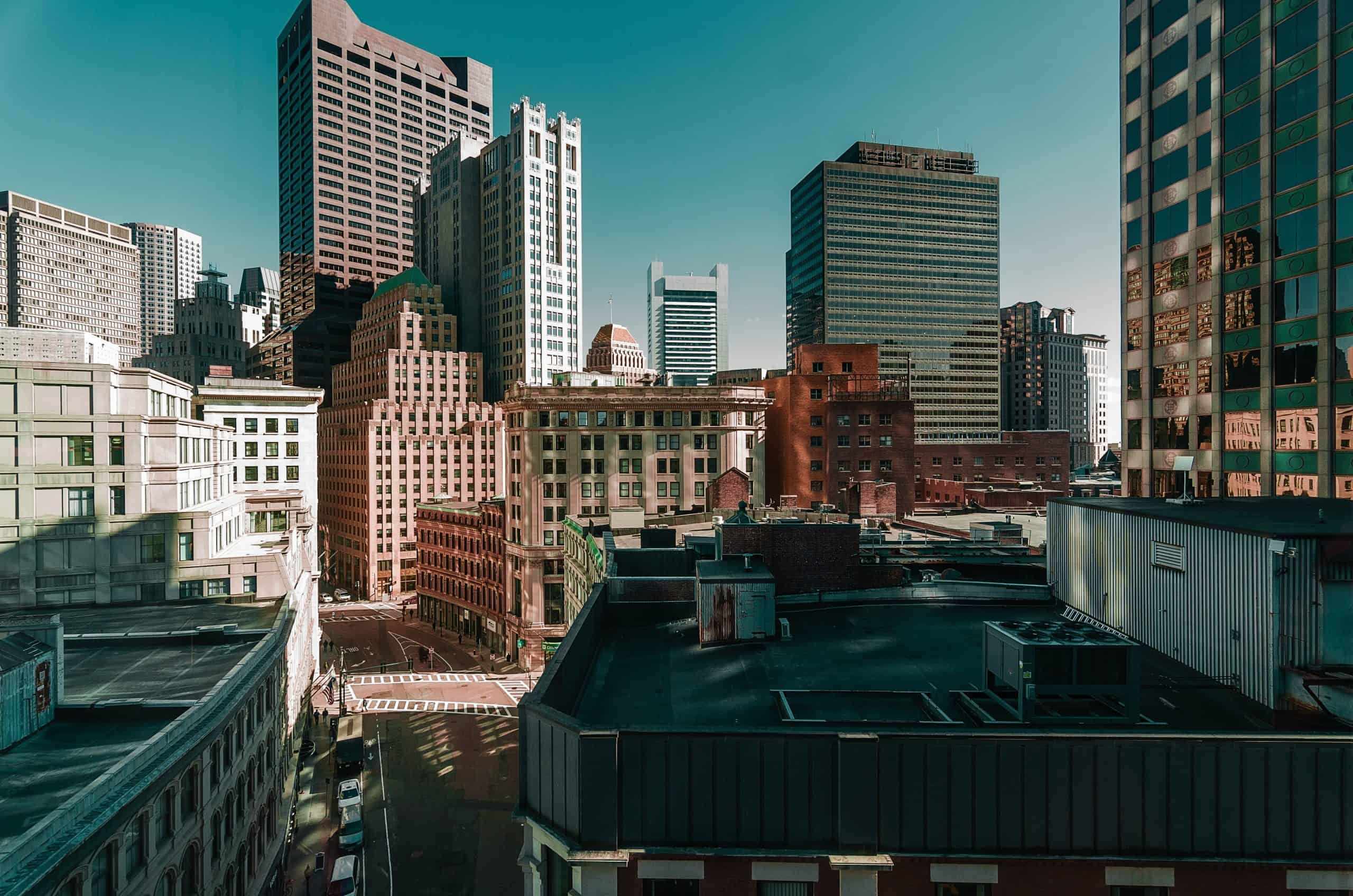
In the case of Boston, the Downtown Crossing area, which surrounds IMG’s office, has seen positive energy and momentum year-over-year. Although office vacancies still fall in the category of work-in-progress, the street-level experience has been dramatically enhanced. Thanks to the leadership of the City of Boston and the Downtown Boston Alliance, there is more activity, more liveliness, and more reason for folks to spend time in the area.
A recent editorial from Boston Business Journal highlighted some compelling points, including retail vacancy being cut in half from 2023 rates and increased public safety data and perceptions. Anecdotally, I have enjoyed the transformation of Winter Street and the festive displays on Boston Common that greet me on my way out of the office in the evening.
With marquee tourism events coming later this year, including the 250th anniversary of the American Revolution and the FIFA World Cup, downtown Boston’s revival is well-timed to offer visitors from across the globe an enjoyable experience.
As the real estate sector continues to navigate a changing environment, bright spots have emerged that merit consideration. Although challenges persist, there is much to look forward to as the public and private sectors implement new and creative solutions and strategies. There are many reasons to be optimistic about 2026, and IMG looks forward to playing a strategic role in shaping and telling those stories.