By Julianne Hester
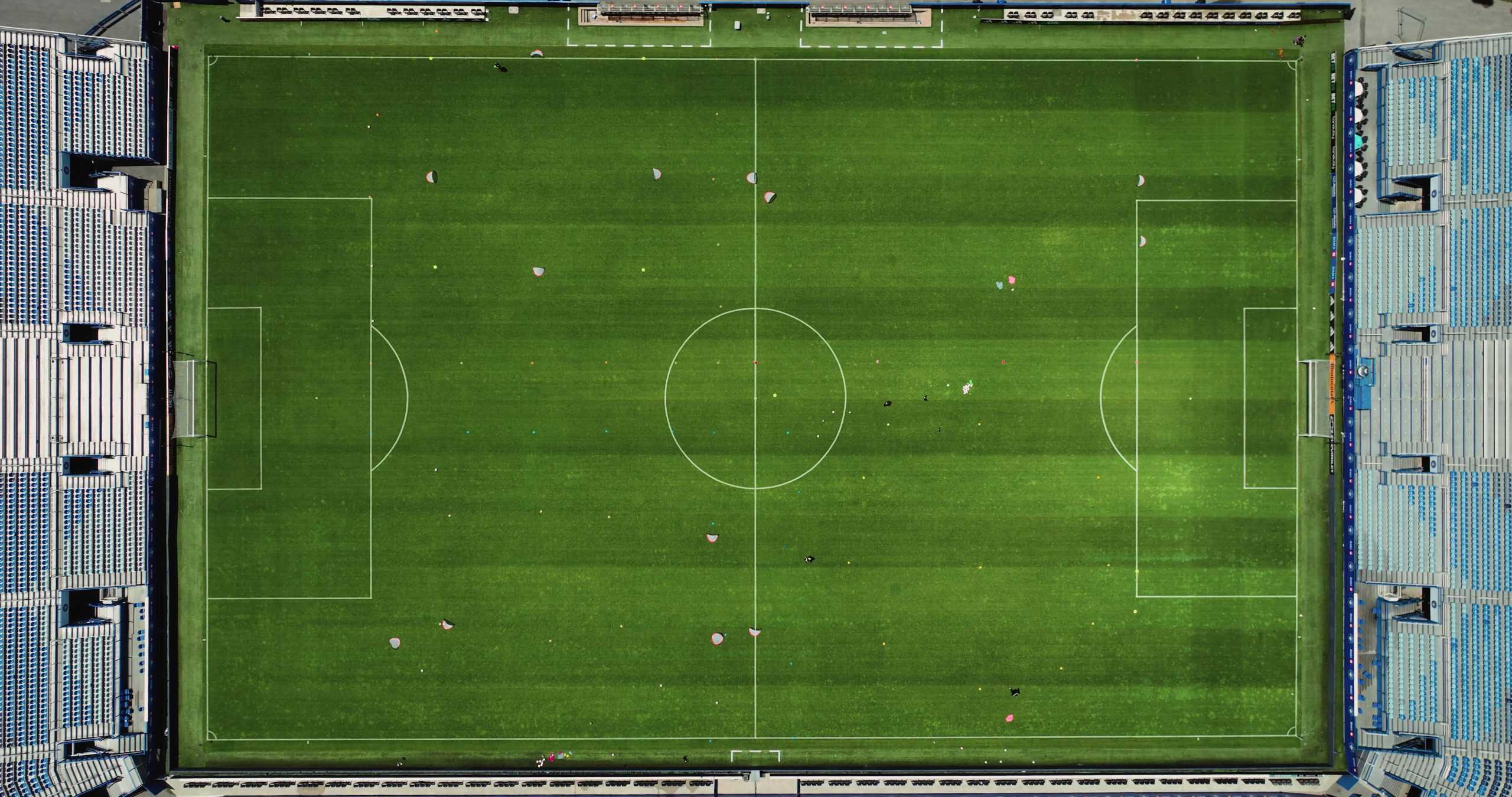
After months of negotiations, the Kraft Group, Boston Mayor Michelle Wu, and outgoing Everett Mayor Carlo DeMaria announced agreements to move forward with the proposed Revolution soccer stadium on the banks of the Mystic River in Everett on New Year’s Eve, right on the deadline. While the stadium, which the Kraft Group unveiled plans for publicly in April of 2024, still needs state and city environmental and planning approvals before it can break ground, this is a major step forward in bringing the venue to life.
The New England Revolution has sought their own stadium for years. Like many other Major League Soccer franchises, they have shared Gillette in Foxborough with their NFL counterpart, the New England Patriots, since the team was founded in 1996. As the MLS has grown in popularity, more and more teams have sought to build dedicated stadiums near city centers to increase attendance.
New professional sports stadiums are often billed as an engine of economic growth, creating new job opportunities for construction and trade workers, as well as game day staff. However, often times, taxpayers are partially responsible for footing the bill. The opposite is the case here, with the funding for this project solely provided by the owners of the New England Revolution, the Kraft Group. The newly minted agreement is also designed to directly benefit Everett and Boston.
The Deal
The approximately $500 million project would see the construction of a 25,000-seat stadium to serve not only as the home for the Revolution, but also as a concert venue, offering an alternative to TD Garden, Fenway Park, and the Xfinity Center in Mansfield. As development has largely stalled in Greater Boston, Everett has been the exception. The opening of Encore in 2019, along with the city’s overhaul of its zoning, has accelerated multifamily development in the city across the Commercial Triangle, which spans 100-acres of formerly industrial land.
Also included in the agreement will be $20 million for a four-acre waterfront park alongside the Mystic River, opening up community and pedestrian access and creating new public space alongside the water in Everett. This presents a dramatic, albeit welcomed, shift from Everett’s traditional industrial roots. There will also be funds set aside each year to maintain the park.
Everett will also receive a fee of $2.25 per ticket, $17.5 million for a new entrance to Assembly Station that will provide access to a pedestrian bridge, enabling commuters to cross the Mystic from Somerville into Everett. The bridge will open up access for Everett to more easily access Boston and beyond by public transit. Currently, the city is only served by the Silver Line extension (with a Commuter Rail station located just over the line in Chelsea).
Across the river in Charlestown, Boston will receive an estimated $2 million a year in ticket fees, with $1 from each soccer game ticket and 1.5 percent of each concert ticket set aside. The Kraft Group will also pay $13 million in community mitigation payments over 15 years, including infrastructure improvements to Sullivan Square, which has by challenged by traffic flow and pedestrian conditions for years.
The Revs Aren’t The Only Club On The Move
While it is commonplace to see public funds allocated for the construction of new stadiums for professional sports teams, Major League Soccer stadiums are frequently are fully funded by their owners.
Last year, the Chicago Fire FC announced a $650 million, 22,000-seat stadium in the South Loop at a 62-acre site dubbed The 78. Transforming a vacant parcel of land, The 78 will consist of office, housing, and public space, once fully developed. Like in Everett, this stadium would also be entirely privately funded and is expected to bring a positive economic influence to an otherwise underutilized land parcel. The Fire may not be the only team setting up shop there. The White Sox are also exploring relocating their stadium to the area as their lease on Rate Field expires in 2029. While the Fire’s stadium will be privately funded, the infrastructure improvements offered by the Kraft Group in Boston and Everett are not echoed in Chicago.
Locally in Boston, White Stadium, another soccer venue located in Franklin Park, is currently undergoing a $200 million renovation. Originally serving as a Boston Public Schools field and part of the community park, the field will soon also be home to the National Women’s Soccer League team Boston Legacy FC. The City of Boston is responsible for around half of the bill, which will amount to $135 million, accounting for the Boston Public Schools and the public’s continued use of the stadium.
Aside from public use, there are no further community benefits as part of the deal. The arrangement has caused quite a controversy, with groups in disagreement about whether the Legacy FC should be playing at White Stadium at all, whether a professional stadium is even necessary anymore, given the construction in Everett, and who should be responsible for the costs.
The Local Angle
Massachusetts residents aren’t as familiar as other states are with funding professional stadiums – Gillette Stadium, Fenway Park, and TD Garden are all privately owned, with renovations privately financed. When the Kraft Group built Gillette Stadium in 2000, the $325 million, 68,000 square-foot stadium was entirely privately funded, though it was supported with $70 million in state-sponsored infrastructure improvements to Route 1. Around Gillette Stadium, Patriot Place, an open-air shopping center that contains entertainment, restaurants, shops, and healthcare facilities, is also developed and owned privately by the Kraft Group. The $350 million shopping center, which accounts for about 10 percent of Foxboro’s annual budget, has also contributed to the town’s growth, spanning over a million square feet and attracting shoppers and diners both in and out of football season.
The New Everett
As proven in Foxboro, stadiums can massively transform the area they’re in. In Everett, the construction of Encore Boston Harbor is kicking off a swath of new development in the Commercial Triangle, the city has largely left its industrial past behind and become a center for housing, with residents drawn to high quality apartment buildings without the Boston price tags. Aided by the pro-development policies of former Mayor DeMaria, few adjacent cities were able to accomplish the growth that Everett saw over the last decade.
With development largely slowing across the Commonwealth, Everett and Boston both stand to majorly benefit from a project of this size, through employment opportunities for construction and trade workers during the development and future job opportunities once the stadium opens, as well as from the infrastructure improvements provided. As Everett continues to evolve, this will be another major development for an evolving city, opening up access to the Mystic River waterfront and the City of Somerville via the pedestrian bridge to Assembly Square.