By Julianne Hester
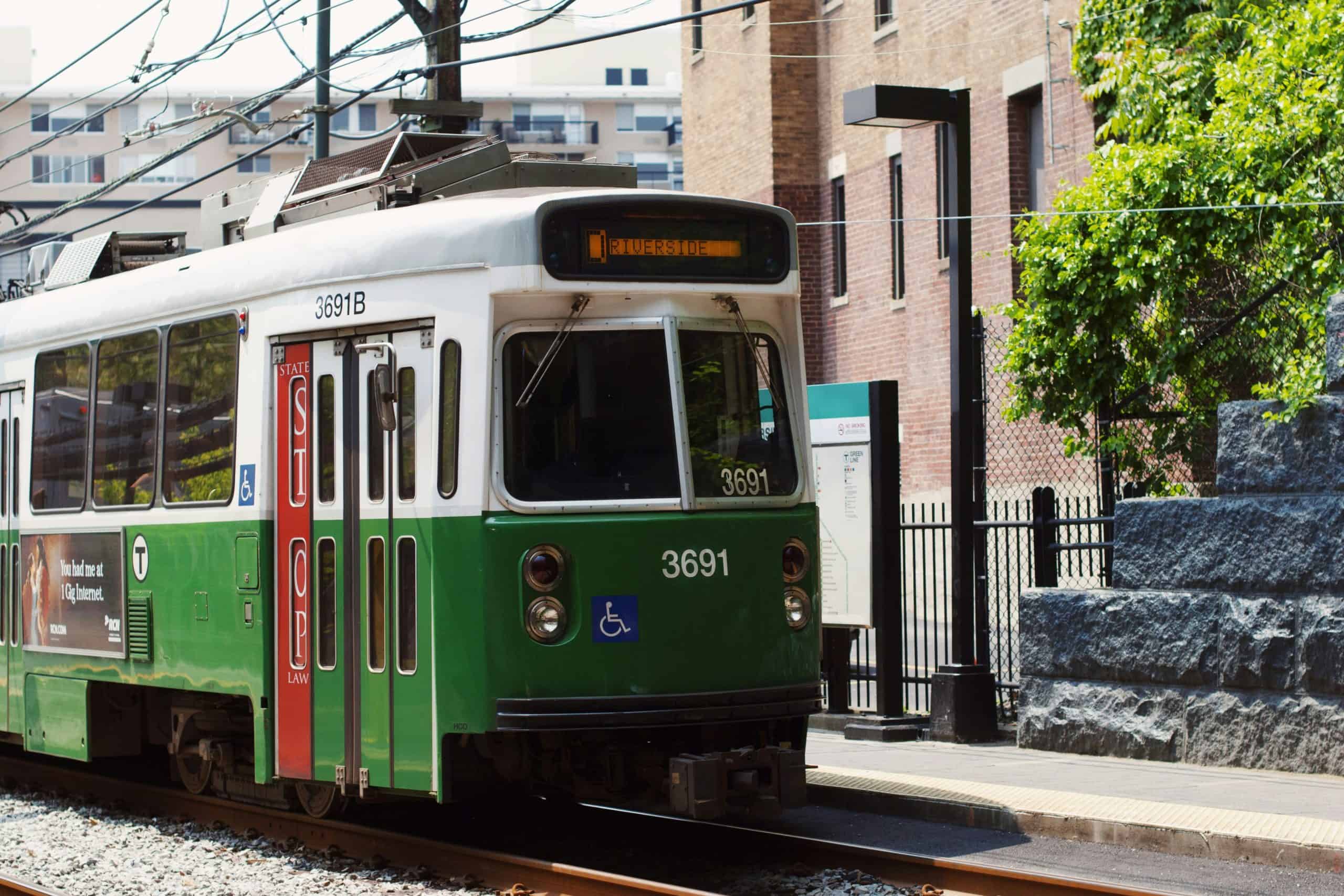
When it comes to residential real estate, the MBTA Communities Act has dominated the local news cycle over the past few years. From the initial introduction in 2021, to last week’s Supreme Judicial Court (SJC) decision on the law’s constitutionality, for those in the 177 impacted cities and towns, as well as the local real estate industry as a whole, it’s been quite the saga.
As a quick reminder, the MBTA Communities Act is a law requiring 177 Massachusetts cities and towns to establish at least one district of reasonable size for multifamily housing permitting by right within a half mile from public transit. Since its implementation, 116 cities and towns across the state have complied with the law, with over 3,000 new units of housing approved in the pipeline.
However, not every community has embraced the law equally – more about that in our colleague, Emily Costello’s blog “A Tale of Two Cities: The Impacts of the MBTA Communities Act.” Perhaps the highest profile case of a noncompliant town is that of Milton.
Last week, the Massachusetts SJC released its decision in Attorney General v. Town of Milton, a lawsuit filed by Attorney General Campbell against the town for its noncompliance with the law. The Commonwealth’s highest court upheld the constitutionality of the law; however, it ruled that the Executive Office of Housing and Livable Communities (EOHLC) failed to implement the regulations correctly, making it unenforceable.
Housing advocates, as well as Governor Maura Healey and AG Campbell celebrated the victory. Last week, Gov. Healey announced that the EOHLC would release emergency regulations by the end of the week. These measures will only be implemented for 90 days, while they work to create more permanent regulations for the enforcement of the law.
While the decision from the SJC certified that the MBTA Communities Act is here to stay, there’s still a great deal of confusion surrounding just how the state will be able to enforce this zoning mandate, and what the timelines for compliance will look like.
The ruling essentially threw away the existing compliance timelines, giving the remaining 61 cities and towns additional time to implement the zoning. It remains unclear what the new regulations will look like, but it could take the form of a model bylaw created by the state.
This additional delay only lengthens the already long timeline until we see the effects of this legislation. While 3,000 units have already been approved, only a few have broken ground amidst a challenging financial environment for commercial real estate. While the new zoning won’t fully address the 200,000 homes the state needs to fix its housing crisis, every new unit of housing counts.
While this decision is a victory for the current administration and advocates for housing, a great deal of questions around how it will be enforced remain unanswered. For the communities who were willing to forgo funding from the state to remain noncompliant, the consequences are now unclear. And the impact of the act on local politics and communities remains fluid – we’ll see more this week with the zoning vote in the town of Needham.