By Rebecca Doran
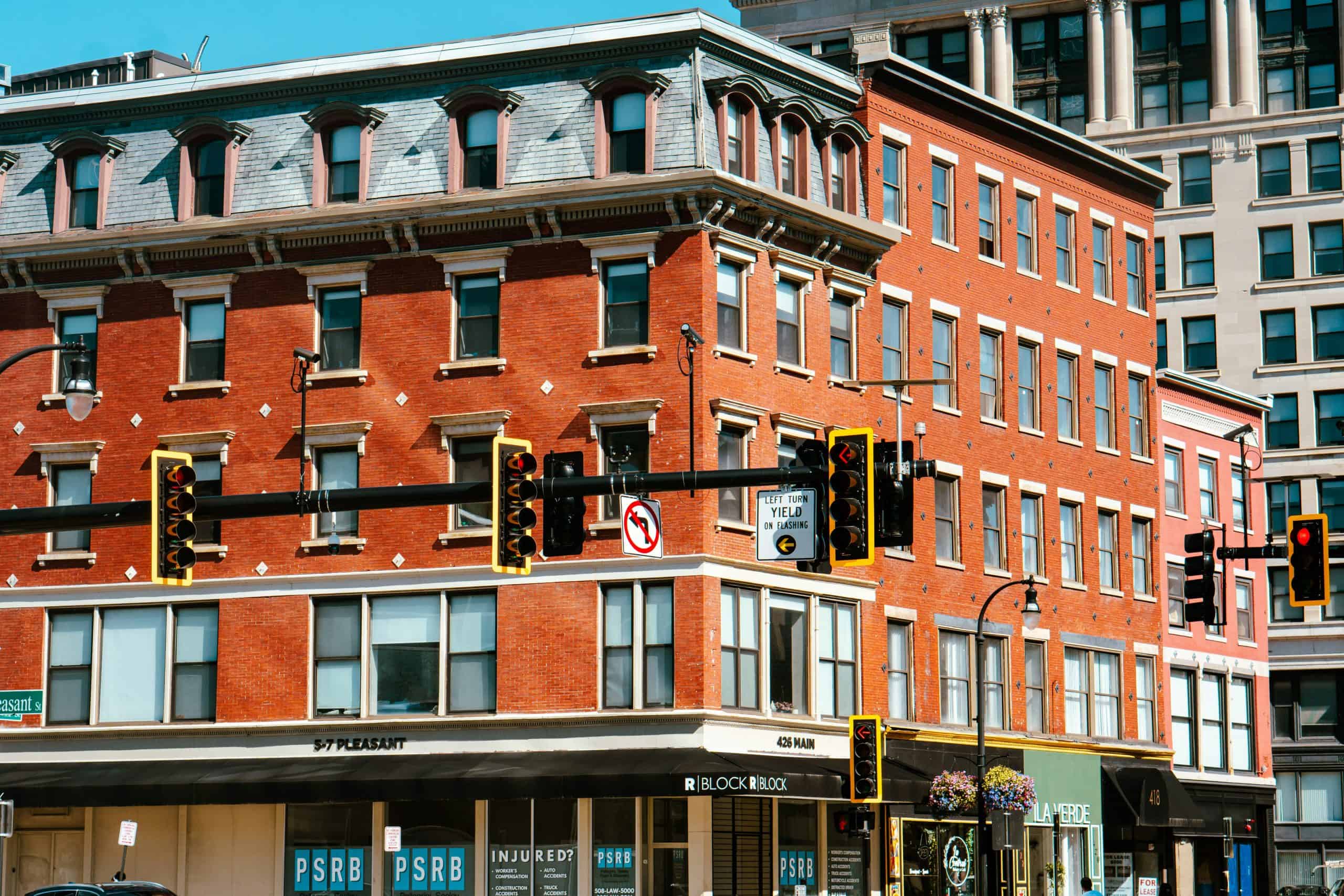
Worcester is a city on the rise.
According to the Worcester Chamber of Commerce, Worcester has seen over $4.5 billion in major projects in the last decade, as well as a 14 percent population growth between 2010 and 2020, making it one of the fastest growing cities in New England.
During that time, Worcester has made critical investments that have helped to better compete with Boston. Pivoting from its industrial roots, Mayor Joseph Petty’s administration has focused on rezoning, welcoming mixed-use development to help revitalize key neighborhoods, and enhancing the City’s culture (e.g., attracting the WooSox to town in 2021). These initiatives have made the city more attractive for private sector investment.
Given the strong efforts in Worcester, members of the IMG real estate team recently made the trip to the Heart of Mass. for Bisnow’s second annual Worcester State of the Market event, where we hoped to learn more about what forces are driving the City’s development goals forward.
Here are a few major takeaways from the conversation:
1. The challenges are familiar, but Worcester is open for development.
Like so many other municipalities in the Commonwealth, housing production has not kept up with the rising population and an increased desire for convenient access to job centers and other points of destination. In Worcester, specifically, the City needs to build 12,000 homes over the next eight years to meet demand.
But, according to the panelists, Worcester is often viewed as one of the simpler places in the Commonwealth to permit and build, setting the landscape in this municipality apart from other communities where slow processes are often seen as costly. Additionally, the City is actively working to revitalize its downtown area. Combined, these characteristics have positioned Worcester nicely to continue the growth necessary to support its rising population.
2. Affordable housing options continue to be a challenge.
Drilling deeper into residential, affordable housing inventory continues to fall short of demand, and city officials are seeing more and more families struggle to find living options suitable for their budgets. For example, while families in Worcester may spend a decade or more on the waitlist for a Section 8 housing voucher, only about half of those with a voucher are actually able to secure an apartment.
This is a sharp decline from the 93 percent of families able to secure a lease eight years ago, panelist and Worcester Housing Authority CEO Alex Corralles told the Worcester Telegram. As a result, more families are moving out of the city where housing is easier to find, but further away from transit, jobs, community, and other resources the city has to offer.
To address these gaps, Worcester is leveraging funding from state grants and other sources to invest in housing, such as the Curtis Apartments, a multi-phase project that will modernize 372 units of aging affordable housing units, while also creating more than 150 new additional affordable units. Developments such as this, which also includes outdoor space and proximity to public transit, are being built with families in mind. The Worcester Housing Authority broke ground on Phase II of the project last month.
3. Zoning changes have cleared the path for key development.
The City of Worcester, through its Downtown Urban Revitalization Plan (URP) and other initiatives, has taken significant steps to update their zoning and incentivize development through streamlined processes. The URP specifically created flexibility for mixed-use development in areas historically used for more industrial purposes.
A strong example of this is The Cove, which includes 173 market rate apartments and is currently 75 percent leased after opening earlier this year. One of the event’s panelists, Ricky Beliveau, Managing Director at V10, the developer for the project, told the audience that the zoning updates already underway allowed for the density and the height they need to build.
The project’s feasibility was bolstered further by flexibility from the city to drop the number of required parking spaces for the building, which is only a 10-minute walk to Worcester’s Union Station.
What’s to Come
Worcester is a unique and diverse city, celebrated for a thriving arts scene, its deep industrial roots, and its growth as an academic and tech destination. Overall, the panelists spoke of a desire in the City of Worcester to leverage that creative and intellectual energy to overcome challenges, where development is welcomed, not combatted. That energy is supported by a shared commitment between developers and public officials to help the city thrive.
Bo Menkiti, CEO of the Menkiti Group with an office based in Worcester, importantly noted that the desirability of a place like Worcester is the built environment and the culture, and that efforts have been strong to make Worcester an 18-hour place to live, work, and play. These efforts are what will keep the city growing and in competition with Boston for years to come.