By Talia Pantaleo
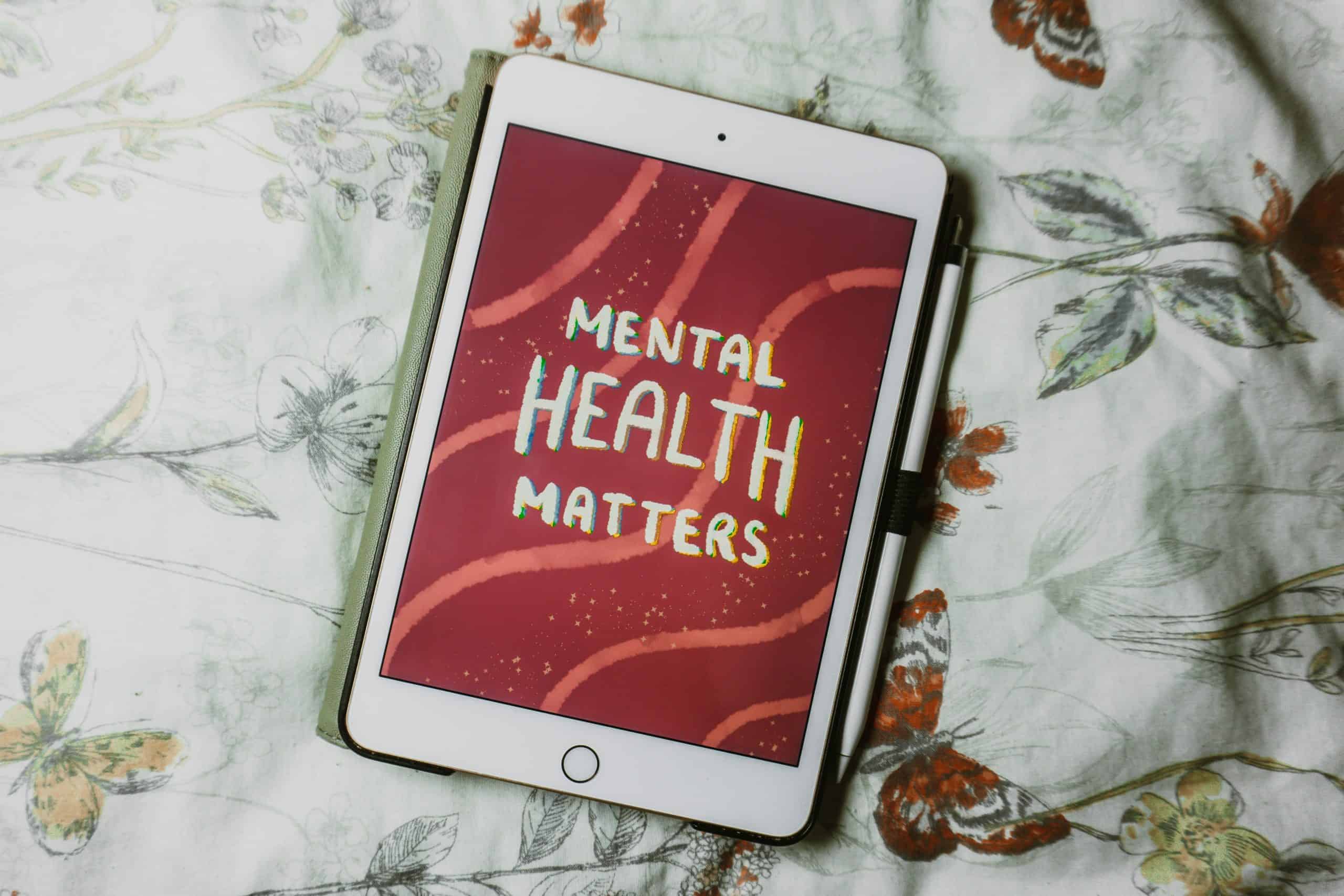
While Mental Health Awareness Month may have formally ended with the calendar now turned to June, the conversations around the topic have moved far beyond a single month of the year. What was once considered a discreet topic is now part of our everyday dialogue, on social media, in friend groups, and even in workplaces.
This growing openness reflects a cultural shift, and examining how the dialogue around mental health has evolved, what’s driving that change, and why the conversation matters is essential to understanding how our society values and prioritizes well-being.
Changing the Conversation: From Stigma to Support
In the past, mental health was surrounded by stigma and silence. Conditions like anxiety and depression were widely misunderstood, and seeking help was often viewed as a last resort for those in crisis. That perception has begun to shift. Public figures, including celebrities, athletes, and influencers, have spoken openly about their mental health experiences, helping to normalize conversations around therapy, self-care, and emotional well-being.
This growing openness has led more people to not only speak about their experiences but also take proactive steps to care for their mental health. In 2022, 23 percent of U.S. adults reported visiting a mental health professional, nearly double the numbers reported in 2004, a clear sign that the stigma around seeking help is decreasing.
The COVID-19 pandemic accelerated this change in unprecedented ways. Prolonged isolation, widespread grief, and economic uncertainty made mental health challenges impossible to ignore, not just on an individual level but across entire communities. Millions experienced prolonged stress and anxiety firsthand, and in response, employers, schools, and health systems were forced to understand mental health as a systemic priority. What was once a private struggle has become a public imperative, prompting broader investments in care and access, not to mention cultural change.
The Double-Edged Sword of Social Media
Social media platforms like TikTok and Instagram have become unexpected yet powerful tools in the conversation around mental health, particularly for Gen Z. These platforms have helped normalize mental health struggles, with users sharing personal experiences, coping strategies, and educational resources. Hashtags like #mentalhealthmatters have fueled online campaigns that reduce stigma and foster peer support in ways that feel accessible and relatable.
At the same time, these platforms present real risks. The ease of sharing content can lead to the spread of misinformation and self-diagnoses, while constant comparison and excessive screen time can take a toll on emotional well-being. The CDC reports that about 25 percent of teenagers who spend at least four hours a day on screens experience symptoms of anxiety or depression. As a result, social media has become both a valuable resource and a significant challenge in the evolving dialogue on mental health.
Mental Health at Work: A New Norm
In recent years, there has been growing recognition that mental health is a critical part of overall employee well-being, and workplace culture is shifting to reflect that reality. Many companies now treat mental health days as they would sick days, acknowledging the importance of rest and emotional recovery. Employee Assistance Programs, access to therapy, mindfulness apps, and other wellness benefits are becoming more common across industries. The rise of flexible hours and hybrid schedules also allows employees to better manage stress and achieve work-life balance.
In Massachusetts and beyond, organizations are beginning to see that supporting mental health is not just good for employees, it’s good for business. Studies show that workplaces offering mental health benefits see higher retention rates and increased productivity, signaling that this shift is here to stay.
How Health Systems Are Supporting Their Employees
This shift isn’t limited to the corporate world; healthcare systems are also reevaluating how they care for the mental health of their staff.
A 2025 Stanford Medicine-led study revealed that surveyed physicians were 82.3 percent more likely to be experiencing burnout than U.S. workers in other occupations. These levels of burnout don’t just affect staff morale, they’re also linked to reduced efficiency, lower engagement, and a higher risk of medical errors. These trends underscore the urgency of the issue, not only for the well-being of healthcare workers, but also for the safety and quality of care patients receive.
Many hospitals, medical groups, and healthcare organizations are taking action to reduce clinician burnout. Across the country and here in Massachusetts, health systems are treating workforce mental health as a patient safety priority, recognizing that when care teams are supported, the quality of care improves.
Strategies being implemented include the addition of a chief wellness officer to organizations’ leadership teams, staff support programs, peer counseling networks, wellness resources, and access to quiet rooms for decompression during long or difficult shifts. There are also confidential mental health helplines, allowing employees to seek support without fear of stigma.
Normalizing Mental Health is a Collective Effort
From TikTok feeds to HR departments, the conversation around mental health is evolving. Awareness months help shine a light on progress, but mental health is not limited to 31 days; the real work happens year-round. Prioritizing mental health requires ongoing attention, checking in with ourselves, supporting loved ones, and pushing for systemic change in schools, workplaces, and healthcare settings. By continuing to talk openly about mental health and advocating for access to resources, we can help create a culture where emotional well-being is not just accepted but expected.
If you or someone you know is struggling, resources are available. Visit Mass.gov’s mental health support page or call the 24/7 National Mental Health Helpline at 988.