By CJ Kuechler
In Downtown Boston, the high vacancy rate in office buildings has been a major point of conversation. When thinking of the empty offices, it is hard not to also consider the region’s housing shortage. Massachusetts needs approximately 220,000 more housing units by 2035 to accommodate growth and stay competitive. In addition, the vacancy rate for the city’s office market is at about 22 percent, nearly double of what the rate was in 2019.
To tackle these two issues tangentially, there has been a push to convert underutilized commercial real estate properties into residential buildings through initiatives like Boston’s office-to-residential conversion program. Since the program’s creation, there have been 15 applications to convert 20 office buildings into nearly 800 housing units.
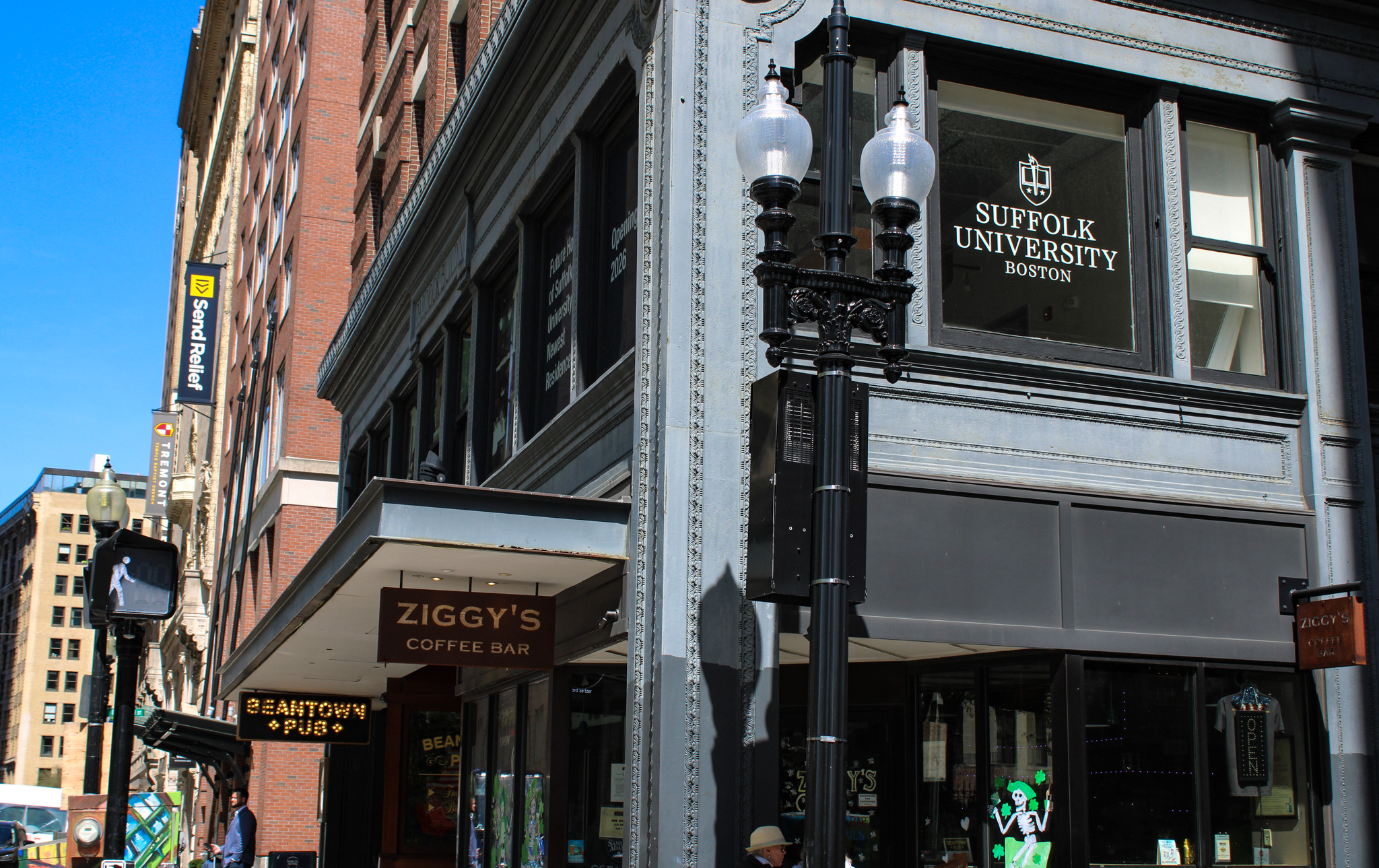
One of the latest conversions in Downtown Boston is an office-to-dorm conversion in progress at 101 Tremont Street. The building, which houses the well-known Beantown Pub, will become a new Suffolk University residence hall with the capacity to house nearly 300 students. Suffolk cited the need for more space to house their students in pursuing the project.
Suffolk University isn’t alone in its need for student-specific housing, and helpfully, the City of Boston has expanded its office conversion program to also include creating dormitories for students. Shifting students from apartments to university dorms could not only free up more of the housing market but also could help reimagine Downtown Boston for a new era.
How Do College Students Affect Boston’s Housing Market?
Boston’s university population cannot be understated, and efforts to target students’ housing needs could be a key part in supporting the city’s housing market, one dorm at a time.
Students are such an essential part of the city that many of Greater Boston’s leases start on September 1st to purposefully correspond with the beginning of the college academic year. With over 150,000 college students in Boston, many universities do not have enough on-campus housing to accommodate their student population.
The lack of dorms inevitably pushes students into Boston’s already stressed rental market, with about 41 percent of Boston’s undergraduate and graduate students living in private housing. Northeastern University saw an 88 percent increase in the number of graduate students looking for off-campus housing in Boston from 2021 to 2023.
Initiatives to convert underutilized office space to dorms would not only give universities more options in creating new spaces for their students, but it could also open up additional conversion options for buildings that may be trickier to renovate.
Challenges and Benefits of Converting Offices into Dorms
Office-to-housing conversions are starting to happen across Boston, but they are not easy to accomplish.
Conversions are costly due to the complexity of the renovations, as offices often do not have the building systems or layouts needed to accommodate individual apartment units. Office buildings would need extensive updates to their plumbing, HVAC, fire suppression, and electrical systems to make the building function as a residential property. Developers also consider the zoning codes, real estate values, and building age when judging if the conversion would be worth the cost and effort.
Converting offices to shared living spaces would not be without challenges, but it does represent an easier prospect relative to traditional multifamily housing. Dormitories often feature simpler room layouts and can have shared facilities, like communal bathrooms and kitchens, which can simplify part of the building process. Dorms are also reportedly around 25 to 35 percent cheaper to convert to than traditional apartments.
The office-to-dorm conversion expansion may also be preferential as dormitories are not required to adhere to Inclusionary Zoning, a Boston requirement that 20 percent of all housing units in a particular project be set aside at a more affordable cost. Another benefit for converting office buildings to residential use under the City of Boston’s program includes a tax abatement of up to 75 percent for up to 29 years.
Reimagining Downtown Boston
Downtown Boston has seen an increase in foot traffic since COVID-induced shutdowns as more tourists, students, and workers have returned to the area. While the city continues to find its footing in a post-pandemic world, projects like office-to-dorm conversions could help revitalize the area further.
Having college students move into converted downtown office buildings would strengthen economic activity, particularly for retailers who have been largely affected by the lack of office workers in downtown commercial buildings. College students leaving their dorms will seek out adjacent nightlife entertainment, shopping locations, social gathering spaces, and restaurants. They also would not be present solely during daytime working hours, bolstering more activity downtown beyond 9-5.
Having downtown dormitories could also promote more safety programs for the area as well. Universities often look to reinforce safety measures at their student housing locations and also keep constant security near their residence halls.
Students play an important part in Boston’s social and cultural life, and where they live greatly impacts the dynamics of neighborhoods. While converting office spaces into dormitories may not address all the city’s housing challenges, it presents a valuable opportunity to reimagine the future of Downtown Boston. Embracing these initiatives could lead to a more vibrant urban environment, benefiting students and the wider community alike.