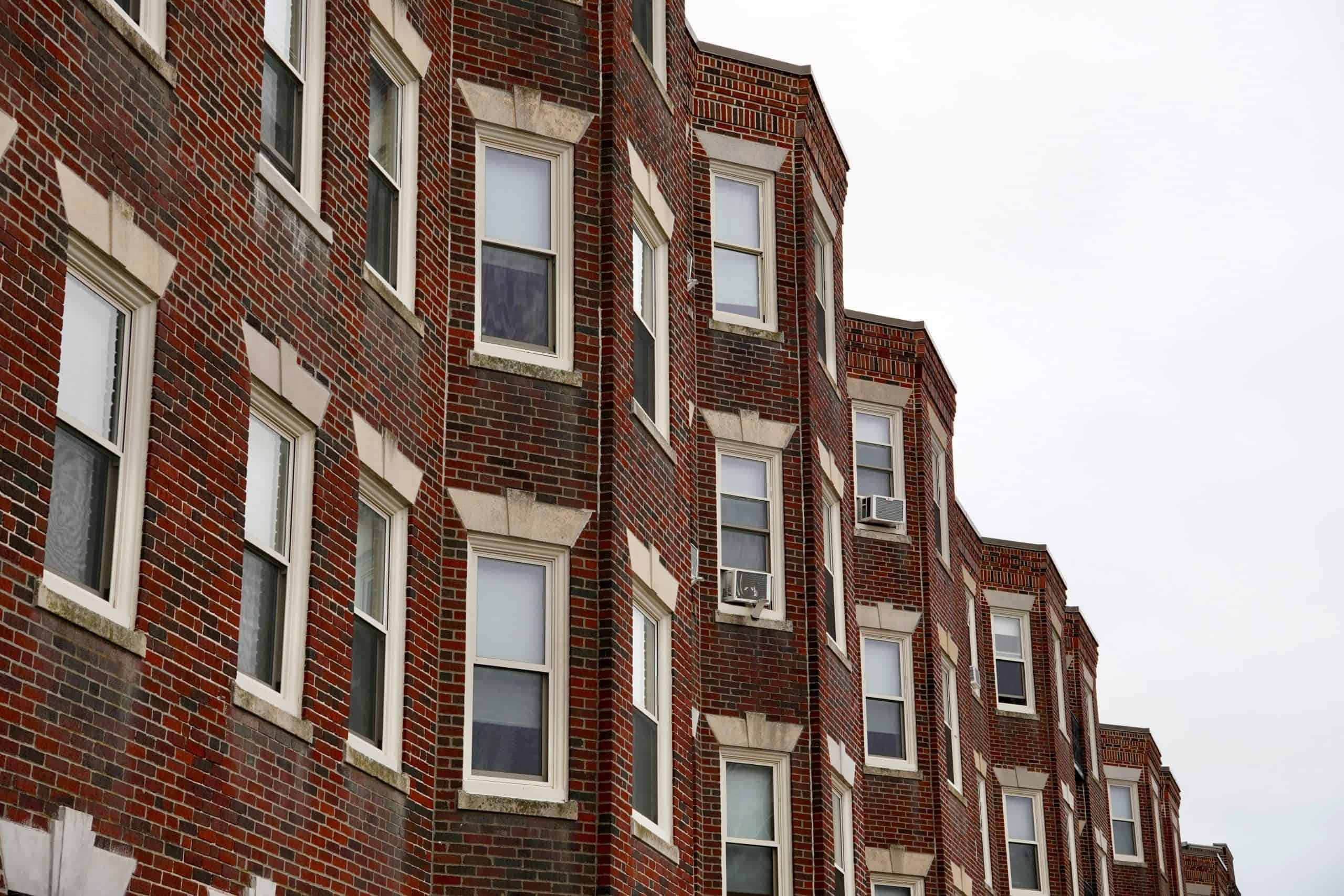
Housing choices are directly shaped by the stage of life we’re in. In early adulthood, moving into your first apartment represents freedom, independence, and a fresh start. As an empty nester, focus often shifts to downsizing and simplifying.
Recently, my parents downsized from our family home in the suburbs to an apartment in Boston. As someone who’s navigated the apartment search multiple times, it was eye-opening to see how differently we approached our respective housing searches.
Motivating Factors for Moving
In your 20s, housing decisions are often fueled by a new beginning: starting a job, going to school, or moving to a new city. For those renting for the first time, the excitement of having your own place often outweighs practical considerations or long-term planning. And while there’s plenty of enthusiasm, there’s usually less experience navigating the rental market. I remember scrolling through Zillow every day, trying to find listings I could tour, all while facing intense competition and tight timelines.
My parents, on the other hand, approached their recent move with far more flexibility and a completely different strategy. As empty nesters, they were focused on avoiding hassle, opting to bypass brokers altogether and touring privately managed multifamily buildings with in-house leasing teams. This approach offered a more straightforward and personalized search experience. For many at this stage of life, their goals are comfort, simplicity, and ease, and with retirement or reduced work hours, features like low maintenance and accessibility take top priority.
Timelines
Renters in their 20s often make housing decisions under pressure, driven by tight budgets, lease deadlines, and start dates of new jobs. There’s rarely time for a patient process, so flexibility becomes the priority, even if that means compromising on ideal features. Many end up renewing leases for apartments that don’t fully meet their needs simply because the location is convenient or moving feels too disruptive or costly.
In Boston, I found myself stuck in the rigid September 1 lease cycle, like most renters. When I first started looking, I had hoped to move earlier in the summer, but quickly realized how limited my options were outside of that specific window. The competition was fierce, and the timing felt non-negotiable.
In contrast, downsizing from a single-family home tends to be a slower and more intentional process. It usually aligns with major life milestones like retirement, health considerations, or broader lifestyle changes. With fewer time constraints, there’s more space to reflect on what matters most and to make thoughtful choices. My parents, for example, intentionally avoided a September 1 lease. This allowed them to avoid the chaos of late August, when the city practically turns over. Instead of adjusting their lives to fit the market, they were able to find a place that aligned with their pace and priorities.
Choosing a Location
When it comes to choosing a location, convenience and lifestyle are often top priorities for people in their 20s. Walkable neighborhoods with plenty of restaurants, nightlife, access to public transportation, and proximity to work tend to have strong appeal. The excitement of a vibrant area usually outweighs the need for extra space or a quieter setting. In my own search, I wanted to be close to my office and near a T stop, and hoped to find easy access to restaurants and workout spots. In the end, I had to give up having a grocery store nearby to meet those other desires.
My parents approached their search very differently. They were unwilling to compromise on location. Practical needs came first, like being close to a grocery store, having quick access to both public transit and the highway, and living in a safe and reasonably quiet neighborhood. Walkability still mattered, but it was about making daily errands easier, not about entertainment or nightlife. Their focus was on long-term stability and comfort.
Budget and Space Needs
Budget plays a major role in housing decisions at any stage of life, but particularly as a young adult. Between student loans, entry-level salaries, and high rent, affordability often takes priority. That’s why many people live with roommates and opt for smaller, more basic apartments. Of course, roommates can make the search more complicated. Figuring out who gets the bigger bedroom or how to split costs can lead to tough conversations and fractured relationships.
When I first started looking for an apartment, I hoped to live with just one other person, but quickly realized that wasn’t realistic for my budget. Adding a third roommate made a huge difference in what rents I could afford, and it became clear that the entire process is really about compromising and keeping costs as low as possible. Empty nesters, meanwhile, are often in a different position financially. Whether from retirement savings or the sale of a larger home, they typically have more spending power.
They may be looking to downsize, but they still want to live comfortably. A smaller space is fine, as long as it’s functional and easy to maintain. Many also want a guest room for visiting friends or family. Smart storage, minimal upkeep, and thoughtful layouts tend to be more important than trendy finishes or extra square footage. While they didn’t need to worry about roommates, my parents were very focused on having space that felt both manageable and welcoming.
Amenities and Functionality
For empty nesters, amenities are all about ease and practicality. Features like elevators, accessible floor plans, on-site maintenance, and quiet surroundings take top priority. Security and convenience matter more than flashy upgrades, and my parents were especially focused on finding a building with someone available at the front desk 24/7. Their list of must-haves was clear and intentional.
That approach felt very different from mine. As someone in my 20s, I was less focused on function and more drawn to modern, lifestyle-driven features. Fitness centers, fast internet, co-working spaces, and pet-friendly policies all felt like major perks. The one thing I couldn’t give up was laundry in the building, even if it meant letting go of other wish list items.
Creating Space for Everyone
The contrast in apartment searches between a 20-something and empty nesters highlights the need for variety in today’s housing market. All too often, people who are ready to downsize feel compelled to stay in a home that no longer fits their needs because there aren’t enough suitable rental options that offer the comforts and community they’ve grown accustomed to. This, in turn, reduces the availability of homes for younger buyers and leads to long-term renters.
Housing needs shift dramatically over time, and what matters most in your 20s will likely look very different by the time you’re thinking about retirement. But no matter the stage, people want homes that support their lifestyle. Right now, the lack of options for those looking to downsize is one reason the market feels so tight, and making room for a full range of housing types will help create space for everyone